What Is Embossing and Debossing in Leather Manufacturing?
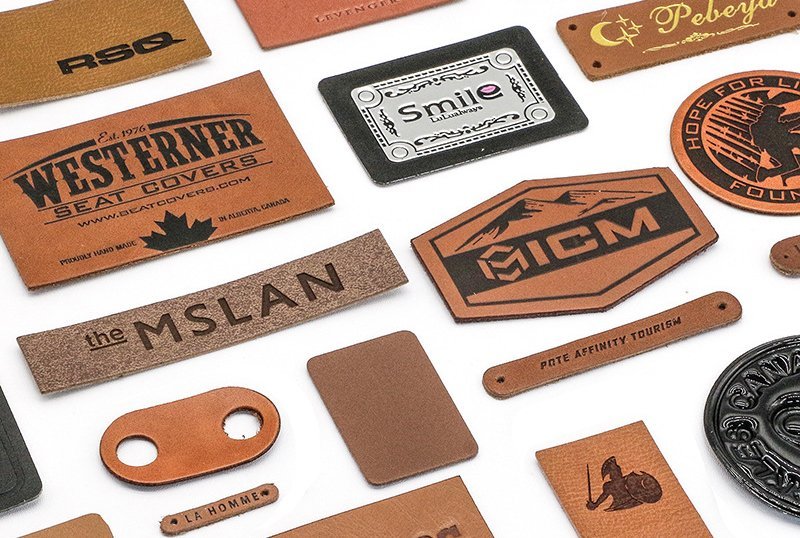
The textured patterns on a luxury leather bag are often produced through embossing or debossing. Designers, manufacturers, and leather enthusiasts can better evaluate the finish by understanding how these two techniques shape the material.
Embossing raises a design on leather using heated dies or hydraulic presses, while debossing creates a recessed pattern by pressing the design into the material. Both techniques require precision, specialized tools, and careful material selection.
This guide compares embossing and debossing, reviews suitable materials, and outlines practical considerations for producing a clean result. It explains how the techniques differ and where each works best in leather manufacturing.
What Is Embossing in Leather Manufacturing?
Embossing raises a design above the leather surface by applying heat and pressure through a die. The result is a textured, three-dimensional mark that adds visual definition and a premium tactile feel.
Definition & Process
Embossing involves using a heated die or hydraulic press to press a design onto the leather, raising the pattern above the surface.
Process Details:
- Tools Used: Heated dies, hydraulic presses, and digital embossing machines.
- Temperature & Pressure: Optimal settings vary, but typically the die is heated to around 120°C-150°C and applied with controlled pressure for 10-20 seconds.
Outcome: The leather becomes textured with a raised pattern, which can be used for logos, decorative motifs, or to create unique textures.
Advantages and Disadvantages of Embossing
Advantages:
- Adds depth and texture that enhances the visual appeal.
- Can elevate the perceived value of the product.
Disadvantages:
- May weaken the leather if overdone, reducing flexibility.
- Requires specialized equipment, which can be costly.
| Aspect | Detail |
|---|---|
| Process | Heated dies/hydraulic press raise design on leather |
| Tools | Heated dies, hydraulic presses, digital embossers |
| Temperature | Typically 120°C-150°C |
| Pressure & Time | Controlled pressure for 10-20 seconds |
| Advantages | Adds texture, enhances aesthetic, increases value |
| Disadvantages | Potential material weakening, higher equipment cost |
What Is Debossing in Leather Manufacturing?
Debossing is a technique that creates a recessed design on leather by pressing a die into the surface, resulting in an indented pattern. Unlike embossing, debossing leaves the leather’s surface intact, offering a subtle, refined look.
Definition & Process
Debossing uses pressure to imprint a design into the leather, creating a sunken effect that is less tactile than embossing.
Process Details:
- Tools Used: Manual or hydraulic presses with specialized debossing dies.
- Pressure Application: A consistent force is applied to depress the leather without tearing it.
Outcome: The design appears indented, offering a subtle yet sophisticated effect ideal for refined branding.
Benefits of Debossing
- Subtlety:Offers a refined look that is ideal for understated designs.
- Durability:Integrates the design into the leather without significantly altering the material’s natural properties.
| Aspect | Detail |
|---|---|
| Process | Die pressed into leather to create recessed design |
| Tools | Manual/hydraulic presses, specialized debossing dies |
| Pressure Application | Consistent force to create a subtle indentation |
| Advantages | Subtle, sophisticated effect; maintains material integrity |
| Outcome | Recessed design ideal for refined branding |
How Do Embossing and Debossing Differ?
Embossing creates raised, three-dimensional patterns on leather, while debossing produces recessed, indented designs. The choice between the two depends on the desired aesthetic, material suitability, and overall design objectives.
Visual and Tactile Differences
Embossing:
- Raised design that stands out; tactile and visually prominent.
- Best For: Bold logos, standout patterns.
Debossing:
- Indented design that blends into the leather; subtle and refined.
- Best For: Subtle branding, sophisticated designs.
Material Considerations
Can You Emboss Any Leather?
- Not all leathers are suited for embossing. Thicker, firmer leathers (typically 1.2mm to 1.8mm thick) hold embossed designs better.
What Thickness of Leather Is Ideal for Embossing?
- Leather between 1.2mm and 1.8mm is optimal; thinner leathers may tear, while thicker ones may not yield well-defined patterns.
How Can You Tell if Leather Is Embossed or Debossed?
Tactile Test:Run your fingers over the surface. Embossed areas feel raised, while debossed areas are indented.
Visual Inspection:Look for shadowing and depth. Embossed designs catch the light, creating shadows that accentuate the raised pattern, whereas debossed designs display a subtle, flat depression.
What is cost of Embossing and Debossing?
Embossing and debossing cost depends on design complexity, leather type, order volume, and equipment. In mass production, embossing may cost about $0.05–$0.50 per unit and debossing $0.04–$0.40. Small or highly customized runs may add setup and specialist labor. Heated dies and hydraulic presses can require an initial investment of several thousand to tens of thousands of dollars, spread across the production volume, so a supplier quote should reflect the specific project.
| Process | Mass Production (per unit) | Small Runs/Customization | Equipment Investment |
|---|---|---|---|
| Embossing | $0.05 – $0.50 | Higher due to setup fees | Several thousand to tens of thousands of dollars |
| Debossing | $0.04 – $0.40 | Slightly lower costs | Similar equipment investment, but sometimes lower due to simpler tooling |
These estimates provide a general idea, but actual costs can vary based on your project’s specific requirements.
Which Tools and Techniques Are Commonly Used for Embossing and Debossing?
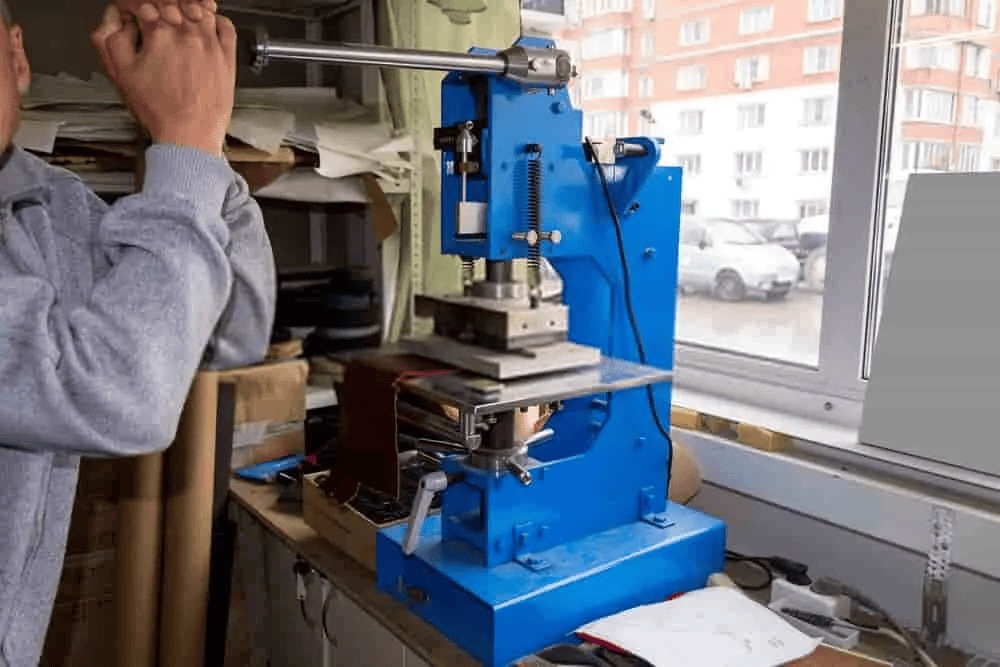
Common tools for embossing include heated dies, hydraulic presses, and digital embossing machines, while debossing uses manual or hydraulic presses with specialized dies. Both processes require precise calibration and regular maintenance for consistent results.
Equipment for Embossing
- Heated Dies:Used to apply consistent heat and pressure.
- Hydraulic Presses:Provide the necessary force for a pronounced raised design.
- Digital Embossing Machines:Offer precision and repeatability in pattern reproduction.
Equipment for Debossing
- Manual Presses:Allow for artisanal control over the depth of the recess.
- Hydraulic Presses with Specialized Dies:Ensure uniform pressure for consistent debossed effects.
Importance of Calibration and Maintenance
- Regular Calibration:Essential to maintain accuracy and uniformity across batches.
- Maintenance Schedule:Prevents equipment wear and ensures longevity.
How Do You Choose Between Embossing and Debossing for a Project?
Choosing between embossing and debossing depends on your design intent, material compatibility, and desired visual effect. Consider whether you need a bold, tactile raised design or a subtle, indented pattern, along with the leather’s thickness and overall durability.
Design Intent:
- Embossing: Best for bold, standout designs like logos or intricate patterns.
- Debossing: Ideal for a subtle, refined look, perfect for understated branding.
Material Compatibility:
- Can You Emboss Any Leather? Not all leathers can handle embossing; thicker leather (1.2mm to 1.8mm) is ideal, whereas softer or thinner leather may not retain raised designs well.
Cost Considerations:
- Embossing can be more costly due to specialized equipment and higher energy use, while debossing is generally less expensive.
Practical Applications:
- Consider the end use,if durability and subtlety are paramount, debossing might be the better choice; for products requiring a pronounced brand mark, embossing may be preferred.
Conclusion
Embossing and debossing add dimension to leather products. A raised emboss or an indented deboss can both work well when the leather, tools, pressure, heat, and process control are matched to the design.
What Can I Do For You?
Here, developing your OEM/ODM private label leather goods collection is no longer a challenge,it’s an excellent opportunity to bring your creative vision to life.
Make A Sample First?
If you have your own tech packs, logo design artwork, or just an idea,please provide details about your project requirements, including preferred fabric, color, and customization options,we’re excited to assist you in bringing your leather goods designs to life through our sample production process.