What Is Screen Printing on Leather Products?
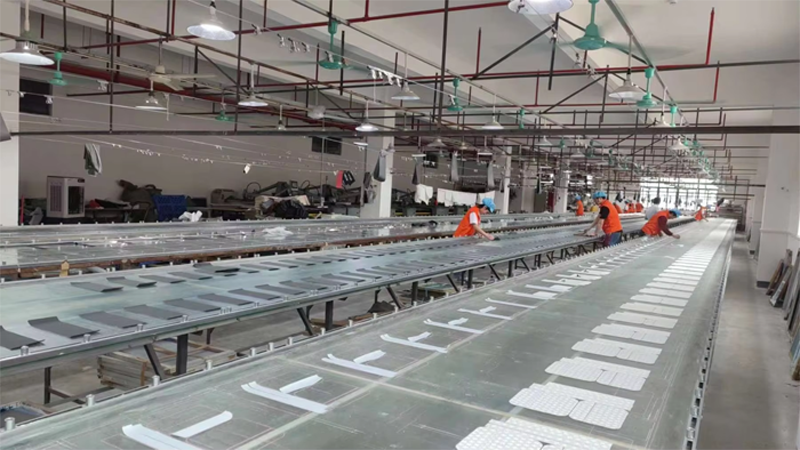
Colorful graphics on leather wallets and bags are often created with screen printing. The method applies designs to leather and gives manufacturers room to add color and creative detail. Designers, manufacturers, and leather enthusiasts can use this guide to understand the technique and where it fits in product development.
Screen printing on leather pushes ink through a mesh screen onto the material using specialized tools and controlled conditions. It can create bold designs that change the appearance and feel of leather goods. This guide reviews the process, materials, costs, and emerging trends in screen printing.
What Is Screen Printing on Leather Products?
Screen printing is a decorative method that uses a mesh screen to apply ink designs to leather. The print adds color and texture, giving the material a customized appearance.
Definition:
In screen printing, ink passes through a prepared mesh screen onto leather to create detailed, colorful designs. The technique is used for branding, artwork, and decorative finishes on leather goods.
Process Essentials:
The main steps are preparing the artwork, making the screen, applying ink with a squeegee, and curing the print to improve durability.
Which Materials and Inks Are Best Suited for Screen Printing on Leather?
Vegetable-tanned and chrome-tanned leathers are commonly used for screen printing with water-based or plastisol inks. These combinations can produce vibrant, durable prints that adhere to the leather surface.
Ideal Leather Types
Vegetable-Tanned Leather:
- Natural texture, excellent ink adhesion, ages gracefully with a rich patina.
- Usage: Favored for artisanal and traditional designs.
Chrome-Tanned Leather:
- Softer, more pliable with a consistent finish, ideal for modern, sleek designs.
Ink Options
Water-Based Inks:
- Eco-friendly, vibrant colors, and provide a softer, natural feel.
- Consideration: May require longer curing times.
Plastisol Inks:
- Durable, bright, and ideal for bold, high-impact designs.
- Consideration: Generally less eco-friendly and slightly heavier on the leather.
Materials & Inks Comparison:
| Material/Ink Type | Key Characteristics | Ideal For |
|---|---|---|
| Vegetable-Tanned Leather | Natural texture, excellent adhesion, develops patina | Traditional, artisanal designs |
| Chrome-Tanned Leather | Soft, uniform finish, immediate pliability | Modern, sleek designs |
| Water-Based Inks | Eco-friendly, vibrant, soft finish | Detailed, eco-conscious projects |
| Plastisol Inks | Durable, bright, bold | High-impact designs, premium branding |
Choosing compatible leather and ink is important for producing a high-quality print that lasts.
How Does the Screen Printing Process Work on Leather?
Screen printing starts with artwork preparation and mesh creation, followed by ink application with a squeegee and curing. Mesh count, squeegee pressure, and curing time all affect the consistency and vibrancy of the finished print.
Step by Step Process
Design Preparation:
- Artwork Creation: Use digital tools (like Adobe Illustrator) or hand-drawn designs to create your pattern.
- File Setup: Prepare the design file for screen creation; ensure high resolution for detailed prints.
Screen Creation:
- Emulsion Coating: Coat a fine mesh screen with a light-sensitive emulsion.
- Exposure: Expose the screen to UV light with your design; unexposed areas are washed away, leaving a stencil.
- Drying and Reclaiming: Let the screen dry completely before printing.
Ink Application:
- Squeegee Use: Place the screen on the leather, apply ink over the screen, and use a squeegee to press the ink through the open areas onto the leather.
- Pressure Control: Ensure even pressure for a uniform ink layer.
Curing:
- Method: Use UV light or heat to cure the ink, making it permanent on the leather.
- Timing: Typical curing takes between 5-10 minutes depending on the ink and equipment.
Screen Printing Process:
| Step | Process Detail | Key Parameter/Timeframe |
|---|---|---|
| Design Preparation | Create high-resolution artwork | Digital file, high-res |
| Screen Creation | Coat mesh with emulsion, expose to UV, wash off unexposed areas | Depends on mesh count (higher count for fine details) |
| Ink Application | Apply ink and use a squeegee to press ink through screen | Squeegee pressure; even application |
| Curing | Use UV or heat to cure the ink | 5-10 minutes, temperature varies |
What Are the Benefits and Limitations of Screen Printing on Leather?
Screen printing can produce vivid, customizable designs at a practical cost for larger production runs. Potential drawbacks include ink cracking, compatibility between ink and leather, and the need to calibrate equipment carefully to support durability.
Benefits
- Enhanced Visual Appeal:Produces bold, vibrant designs that can be customized.
- Cost-Effective for Large Runs:Economical for mass production, reducing per-unit cost.
- Design Versatility:Capable of printing complex graphics, logos, and patterns with high detail.
Limitations
- Ink Durability:If not properly cured, ink may crack or fade over time.
- Material Compatibility:Not all leathers respond equally to screen printing; some may not bond well with certain inks.
- Equipment and Setup Costs:Requires investment in specialized equipment, making initial setup expensive for small runs.
Comparisons
- Vinyl vs Silk Screen Printing:Vinyl printing offers a smoother finish but may lack the texture and depth of screen printing.
- Heat Press vs Screen Printing:Heat press applies pre-printed transfers, while screen printing directly applies ink, resulting in a more integrated, tactile finish.
What Are the Latest Trends and Innovations in Screen Printing on Leather?
Developments include digital screen printing, eco-friendly water-based inks, and more automated processes for greater precision. These approaches are expanding customization options and supporting efficiency and sustainability in leather manufacturing.
Emerging Innovations
Digital Screen Printing:
- Offers higher precision, faster setup, and easier customization.
- Impact: Can boost production efficiency by up to 20%.
Eco-Friendly Inks:
- Water-based inks that are non-toxic and sustainable.
- Impact: Reduce environmental impact while maintaining vibrant colors.
Automation and AI Integration:
- Automated squeegee systems and real-time quality control improve consistency.
Consumer and Market Trends
- Eco-Consciousness:Approximately 65% of consumers now prefer products made with sustainable practices.
- Customization Demand:Brands offering personalized designs see a 25-30% increase in customer satisfaction.
Conclusion
Screen printing on leather is a versatile and transformative technique that can elevate the aesthetic appeal of your leather products. By understanding the detailed process,from selecting the right leather and inks to mastering the screen creation, ink application, and curing stages,you can achieve vibrant, durable prints that stand out in the competitive market.
Contact FuFun Custom Leather Handbag Manufacturer today for a personalized quote and design consultation. Let our expert team help you elevate your leather products with advanced screen printing techniques.
What Can I Do For You?
Here, developing your OEM/ODM private label leather goods collection is no longer a challenge,it’s an excellent opportunity to bring your creative vision to life.
Make A Sample First?
If you have your own tech packs, logo design artwork, or just an idea,please provide details about your project requirements, including preferred fabric, color, and customization options,we’re excited to assist you in bringing your leather goods designs to life through our sample production process.